 Rachel Sadon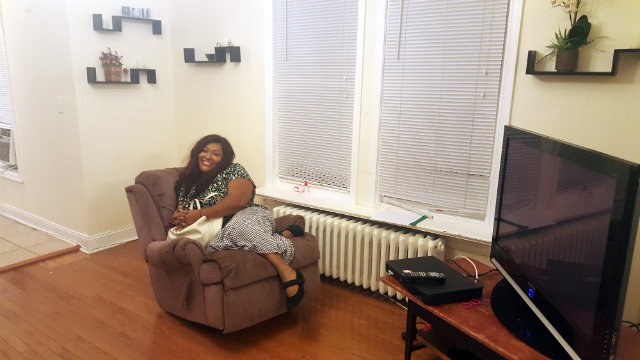
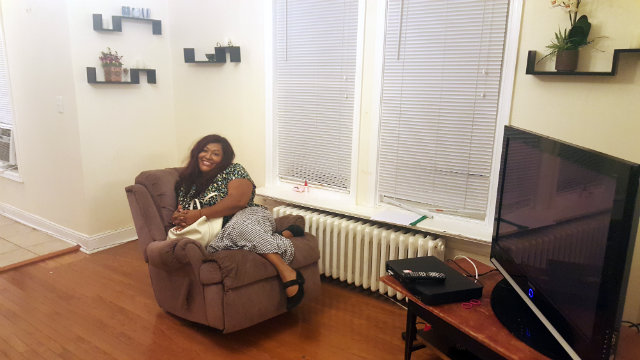 Ruby Corado, at a second transitional shelter for homeless youth that is set to open next week. (Photo by Rachel Sadon)
As winter looms, Casa Ruby is trying to raise funds that will allow the non-profit to offer emergency shelter for homeless LGBTQ youth on freezing nights.
Although precise figures for D.C. won’t be known until the results of a city-mandated study of homeless youth are released, national reports have indicated that up to 45 percent of homeless youth identify as lesbian, gay, bisexual, or transgender. In the District, one of their few dedicated resources is the non-profit Casa Ruby, the bilingual, multicultural LGBT organization that runs a 12-bed shelter specifically for homeless LGBT youth. But even without a single advertisement, Casa Ruby has a 54-person waiting list.
Corado and her team (all former clients, she says) are at work opening a second transitional shelter, converting a home she had informally created for homeless LGBT adults into a second youth shelter. With financial help from the D.C. government, the house is set to open sometime in the next week. Like the first shelter, it will come with support and rules designed to help residents achieve independence.
Once it opens, Casa Ruby will provide shelter to 20 homeless youth. But that still leaves the rest of the lengthy wait list.
“We have to talk about the need, because the need is real,” says Casa Ruby’s founder and namesake, Ruby Corado. “The city is putting together a plan, but right now they don’t have a plan. Regardless, these are are youth that don’t have a place to live.”
Worried about those she can’t serve in the two transitional shelters, Corado won approval from the Department of Human Services to offer night-by-night emergency shelter when the temperature dips below freezing—known as hypothermia beds—on the upper and lower floors of Casa Ruby’s drop-in center.
But they still need to raise at least $30,000 for staffing and other costs. Once again, they’re turning to crowdfunding to make it a reality. So far, they have raised more than $8,000 through the campaign.
“In my heart, I have a feeling that we’re going to be able to make it happen,” Corado says, showing off the conference room that will be converted into a drop-in shelter. The tables and chairs will be removed and replaced with five cots; the same will happen in a second space in the basement.
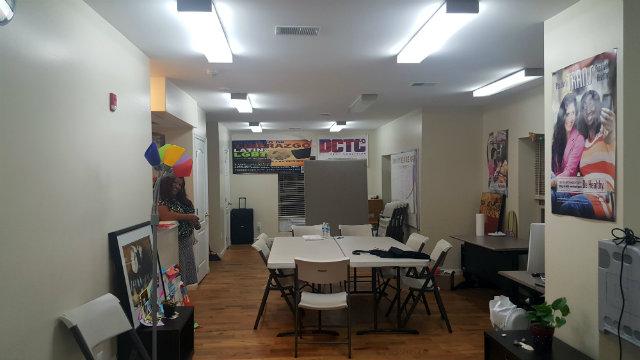 (Photo by Rachel Sadon)
“We’re very happy because we can do something, and more awareness has been brought to the issue,” Corado says. “But the most unfortunate thing is these are youth that are being thrown away from their home because they are LGBTQ. It’s not like their house has burned down. They’ve been thrown away from their homes because their parents don’t understand that their children are special and there is beauty in being different.”
Corado and Casa Ruby’s efforts come amid several recent reports highlighting the stark challenges and prejudices particularly facing the transgender population in the District, despite some of the most inclusive non-discrimination laws in the country.
According to the FBI’s latest statistics, 21 percent of hate crime incidents in D.C. in 2014 were based on gender identity—10 times the national average.
A first-of-its-kind study of discrimination in hiring practices released earlier this month found that nearly half of D.C. employers prefer a less-qualified applicant they perceive as cisgender to a more-qualified candidate they perceive as transgender.
And a more robust assessment, the Trans Needs Assessment Survey, found wildly disproportionate rates of poverty, health disparities, discrimination, and unemployment to the size of the transgender population.
Over 46 percent of the more than 500 respondents made below $10,000 a year, compared to 11 percent of District residents. As with most of the findings, the numbers were worse for people of color—particularly black trans women, 57 percent of whom reported making less than $10,000.
With regards to housing, nearly three quarters of black trans women and 66 percent of Hispanic trans women reported some form of housing hardship—defined as “having to move into a less expensive home/apartment, became homeless, evicted, denied a lease, had to move in with family members or friends, had to find different places to sleep for short periods of time, had to have sex with people to sleep in their bed/at their homes or to pay rent.”
About 20 percent of all respondents said they had been outright denied a lease at some point because of their gender identity.
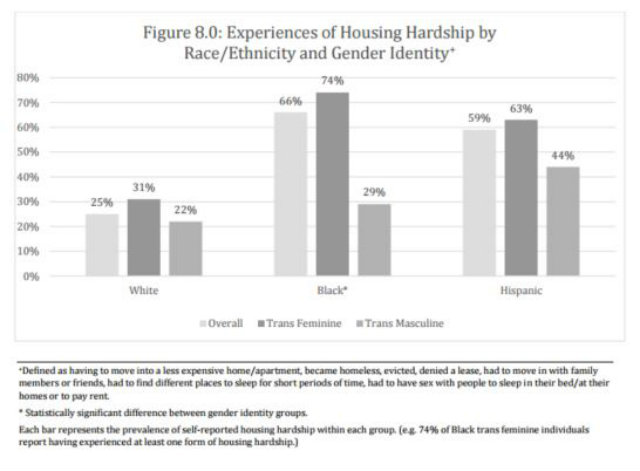 (Via Access Denied: Washington, DC Trans Needs Assessment Report)
And of respondents who had or are experiencing homelessness, 27 percent said they had been denied entry to a homeless shelter. Of those who spent time in a shelter, 41 percent said they had been assaulted by either residents or staff.
That is where Casa Ruby’s new LGBT-focused shelters come in. “To be able to help 30 people is my dream come true. But the real issue is not ‘Ruby wants to do this,’ but that people are being thrown into the streets.”