 Rachel Sadon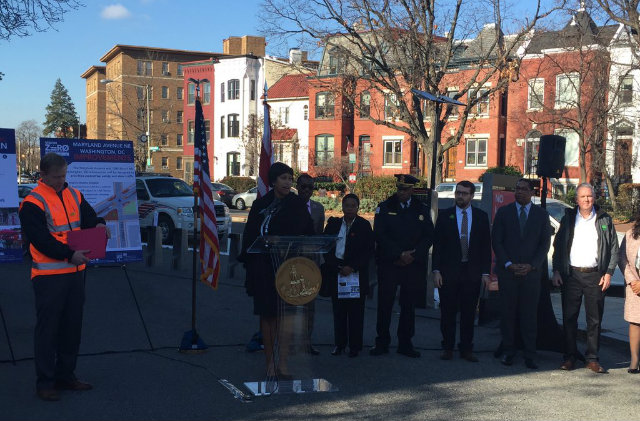
 Via Twitter
It may sound like a mediocre TV show about a pending apocalypse, but Vision Zero actually refers to a good thing: the elimination of all fatalities and serious injuries to people using a city’s transportation systems.
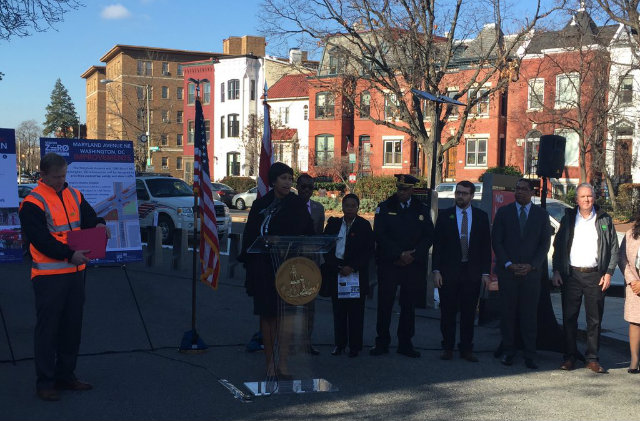
Mayor Muriel Bowser and the District Department of Transportation released an action plan today to bring the Swedish concept to Washington and reach zero deaths or injuries by 2024. More than 20 city agencies contributed to Vision Zero, and pedestrians, cyclists, and drivers added more than 4,500 locations to a crowdsourced map of hazardous locations.
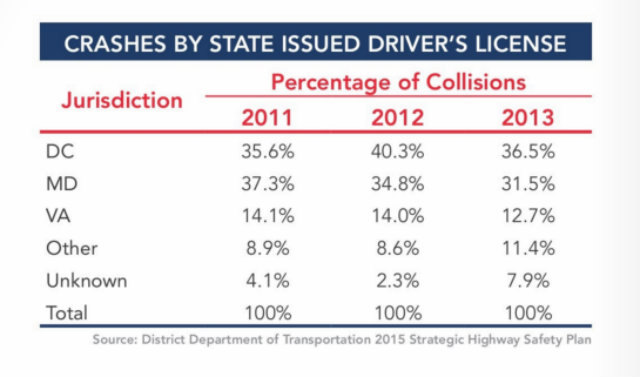
The report takes into account the particular quirks of D.C. traffic: namely that the population of the city doubles during working hours and that Maryland and Virginia drivers (but mostly Maryland drivers) contribute to nearly half of all crashes.
 (Courtesy of DDOT)
In a survey of 2,700 people, 16 percent said they had been seriously injured in a traffic crash and 47 percent said they knew someone who had been killed or seriously injured. So far, this year, 24 people have died in the District in traffic crashes.
The plan to resolve that is divided into four categories: create safe streets, protect vulnerable users, prevent dangerous driving, and be transparent and response.
“Protecting vulnerable travelers through speed reduction is a strong theme through our Action Plan,” DDOT Director Leif Dormsjo said in a release. “Through extensive public outreach and collaboration, we are taking our first step towards realizing a ‘Vision Zero’ where no lives are lost on our streets or at our intersections. Together, we will make the District a safer place to live and travel through.”
Specific proposals include codifying a complete streets law; piloting two “protected intersections”; evaluating taxi staging locations; filling in sidewalk gaps on 40 blocks; installing 20-miles of bike lanes, five of which should be separated/protected; expanding the use of photo enforcement; implementing new taxi driver training for pedestrian safety; establishing safety targets for city owned vehicles; and making Vision Zero the single location for all crash and safety data reporting.
You can read the full report here: