Natalie Delgadillo
Around here, we like to say that DCist is the “unofficial homepage of the District.” That means it’s a place where you can find everything — any kind of story that might intrigue or interest or serve a person who resides in the region, whether it’s about local politics or fun cocktails or a weird internet thing. As I’ve looked back on our 2021, that description feels as apt as ever.
Pretty much from the moment the year began, our reporters had to hit the ground running, covering the insurrection and all its local aftermath, an ongoing pandemic, another heartbreaking year of violence, and — in the midst of it all — curiosities, delights, and stories of triumph and resilience from across the region.
Here’s a (deeply uncomprehensive) look at some of our best work from the last year:
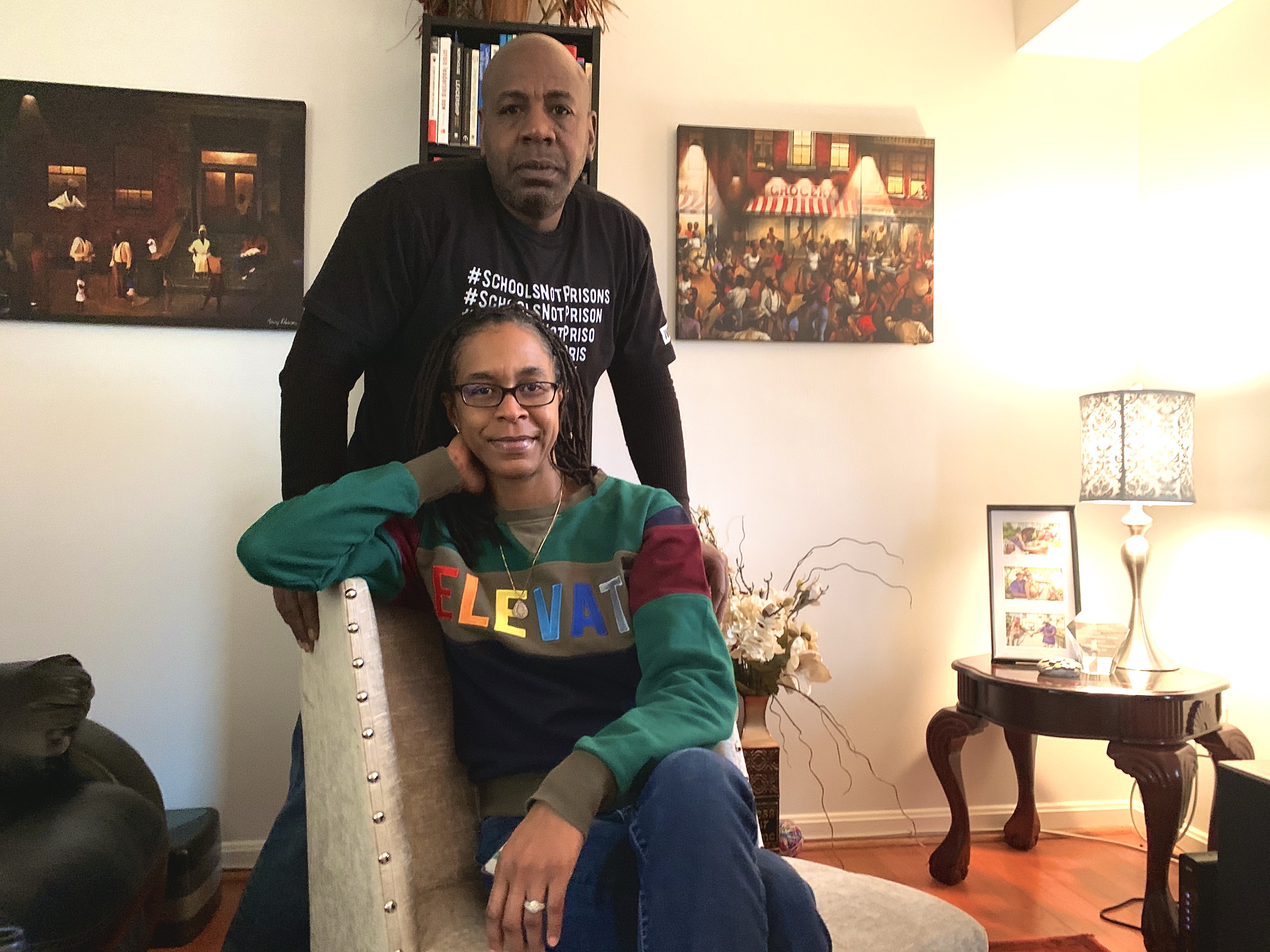
Imprisoned For Nearly 50 Years, This D.C. Couple Now Works To Keep Others Out Of Jail
“Ever had someone hug you so tight that they put your broken pieces back together again? That’s the way he hugged me when I went to pick him up at the airport for our first date.”
Lashonia and Sean Thompson-El fell in love the moment they first saw each other at Washington Dulles International Airport seven years ago. Reporter Aja Beckham tells the story of how their love unfolded — and how it’s helped them heal individual (and collective) traumas after spending a combined 45 years in prison.
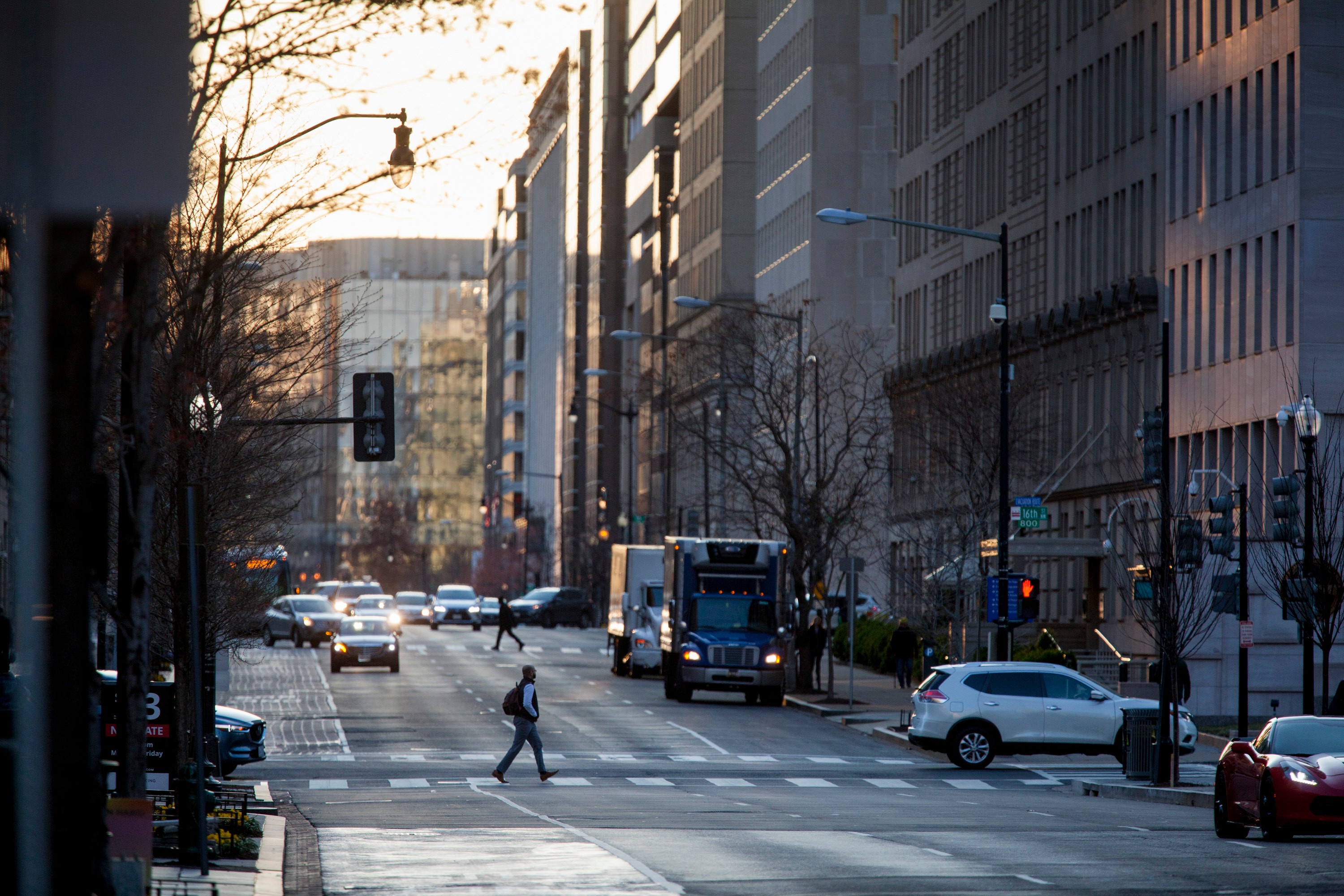
D.C. Lost At Least 375 Businesses Since March 2020. Here’s How Those Closures Have Reshaped The City
“Even the preliminary information we collected is shocking: Downtown D.C. has been ravaged by business losses, with dozens of lunch spots, cafes, and restaurants forced to shutter as office workers have disappeared from the streets. Georgetown, once a high-end shopping and dining mecca, has been transformed. In Shaw, more than a dozen of the neighborhood’s bars and restaurants have gone dark, and a Black-owned barber shop that withstood both the riots and intense gentrification shut its doors after more than 100 years.”
Reporter Ally Schweitzer pored over lists of closures, reached out to local politicians, and asked neighborhood groups on social media for pointers to compile this list of closures the pandemic wrought. See the map attached to the story for a visual representation.
She and other reporters on staff examined the list for patterns, and those efforts led to a series of stories. Read them below:
- With Just One Full-Time Jazz Club Left In The District, Local Musicians Contemplate Their Future
- For Small Businesses In Anacostia, The Pandemic Was Just Another Storm To Weather
- ‘A Hole To Dig Out Of’: Georgetown Pushes To Overcome Its Flurry Of Closures
- From Howard Deli To Gregg’s Barbershop, Some Of D.C.’s Longest-Running Businesses Closed Last Year
- D.C.’s Shuttered Hair Salons Served Everyone From Toddlers To The First Lady

“Internal records show that MPD’s Disciplinary Review Division sought to terminate at least 24 officers currently on the force for criminal misconduct from 2009 to 2019. In all but three of those cases, the records show, the Adverse Action Panel blocked the termination and instead issued much lighter punishment – an average of a 29-day suspension without pay. These officers amassed disciplinary records for domestic violence, DUIs, indecent exposure, sexual solicitation, stalking, and more. In several instances, they fled the scenes of their crimes.”
In this collaboration with Reveal from the Center for Investigative Reporting, reporters Dhruv Mehrotra, Jenny Gathright, and Martin Austermuhle lay out how a powerful panel of high-ranking officers has helped police avoid accountability, even when the department’s own disciplinary division has determined they’ve committed crimes and should be terminated.
Current MPD Chief Robert Contee has served on that panel, and helped one officer avoid termination after investigators found that he had tried to solicit sex and, when refused, pulled his gun on a sex worker.

Safety Commission Orders WMATA To Pull 60% Of Its Train Fleet, Severely Reducing Service
“Metro service will be severely reduced Monday and it likely will stay that way for days and potentially weeks or months as the Metrorail Safety Commission ordered WMATA to pull the transit agency’s newest trains, the 7000-series.
The order comes days after a derailment on the Blue Line near Arlington Cemetery. None of the passengers were injured.”
This story from transportation reporter Jordan Pascale is about as straightforward as news gets, but it was a huge story that we reported quickly with all the context and knowledge a beat reporter can provide. On Dec. 29, Metro again ordered that its 7000-series trains would be removed from service completely after the Washington Metrorail Safety Commission (WMSC) found WMATA ran railcars that didn’t meet the required criteria. Here’s a timeline of the 7000-series trains being sidelined.

How Loudoun County Schools Ended Up At The Center Of Virginia’s Elections
“In the razor-tight race for governor in Virginia, Youngkin has seized on debates that have been roiling school board meetings and parking lot protests in Loudoun County for months. From coronavirus closures, to curriculums on equity and racism, to protections for transgender students, education issues have been weaponized in a statewide (and national) cultural war.
While Youngkin relies on the refrain ‘parents matter,’ Democratic candidate and former Virginia Gov. Terry McAuliffe has been on the defensive as Election Day nears. McAuliffe has worked to paint his opponent as ‘Donald Trump in khakis’ and a ‘wannabe’ of the former president, but he’s also been forced to respond to the education attacks. In a ‘Starving Schools’ ad, McAuliffe’s campaign decries Youngkin’s education policies for gutting public school budgets.”
This explainer by reporter Colleen Grabick dives into what became the defining issue of this year’s Virginia gubernatorial race: education, particularly debates over the classroom that took place in Loudoun County. This piece explores the county’s history and some of the possible reasons it saw so much controversy around its schools.
Read more of our Virginia 2021 elections coverage here:
- Youngkin Wins Virginia’s Gubernatorial Race In Dominating Night For Republicans
- Republican Winsome Sears Wins Historic Virginia Lieutenant Governor Race
- Republicans Bucked Virginia’s Blue State Trend. Here Are A Few Reasons Why
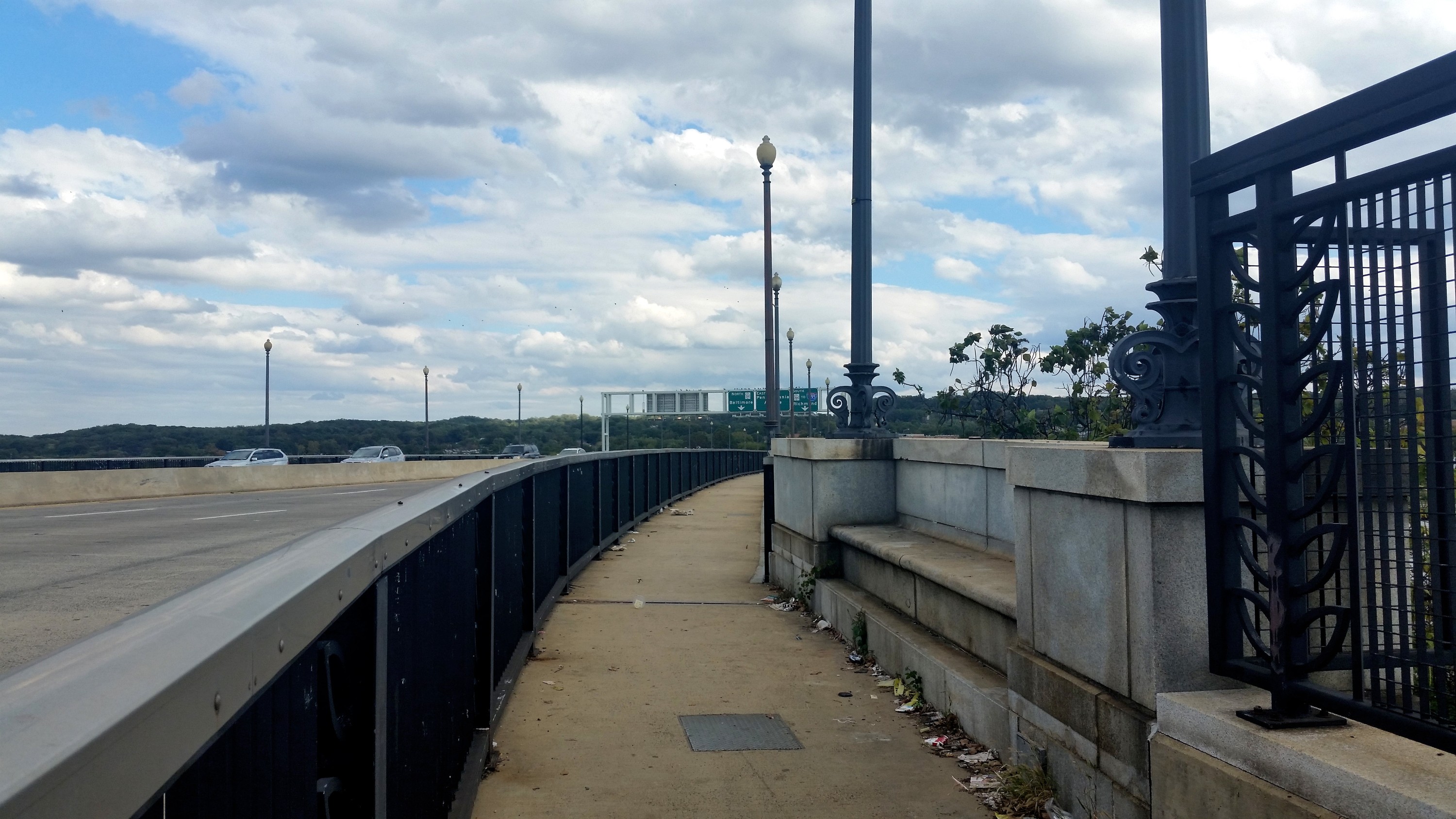
She Lived For Years Under The I-295 Overpass. Now, Neighbors And Family Mourn Angela Hill
“It brings a tear to my eye knowing that she was loved and that many people throughout the city know who she is,” William Jackson, Hill’s nephew, told DCist at a Saturday vigil for Hill. “Even if they’ve never met her, they just know that she’s the lady under the bridge.”
Angela Hill was a mother, a grandmother, an aunt, a neighbor, and a neighborhood fixture. Residents often brought her cold drinks in the summer and blankets in the winter. Ms. Hill died this year — sleeping under the same overpass where she spent so many years of her life — on one of the coldest nights of the winter. Colleen Grablick, Jacob Fenston, and Jenny Gathright spoke with Hill’s family and with neighbors who knew her at a vigil for Hill in February.
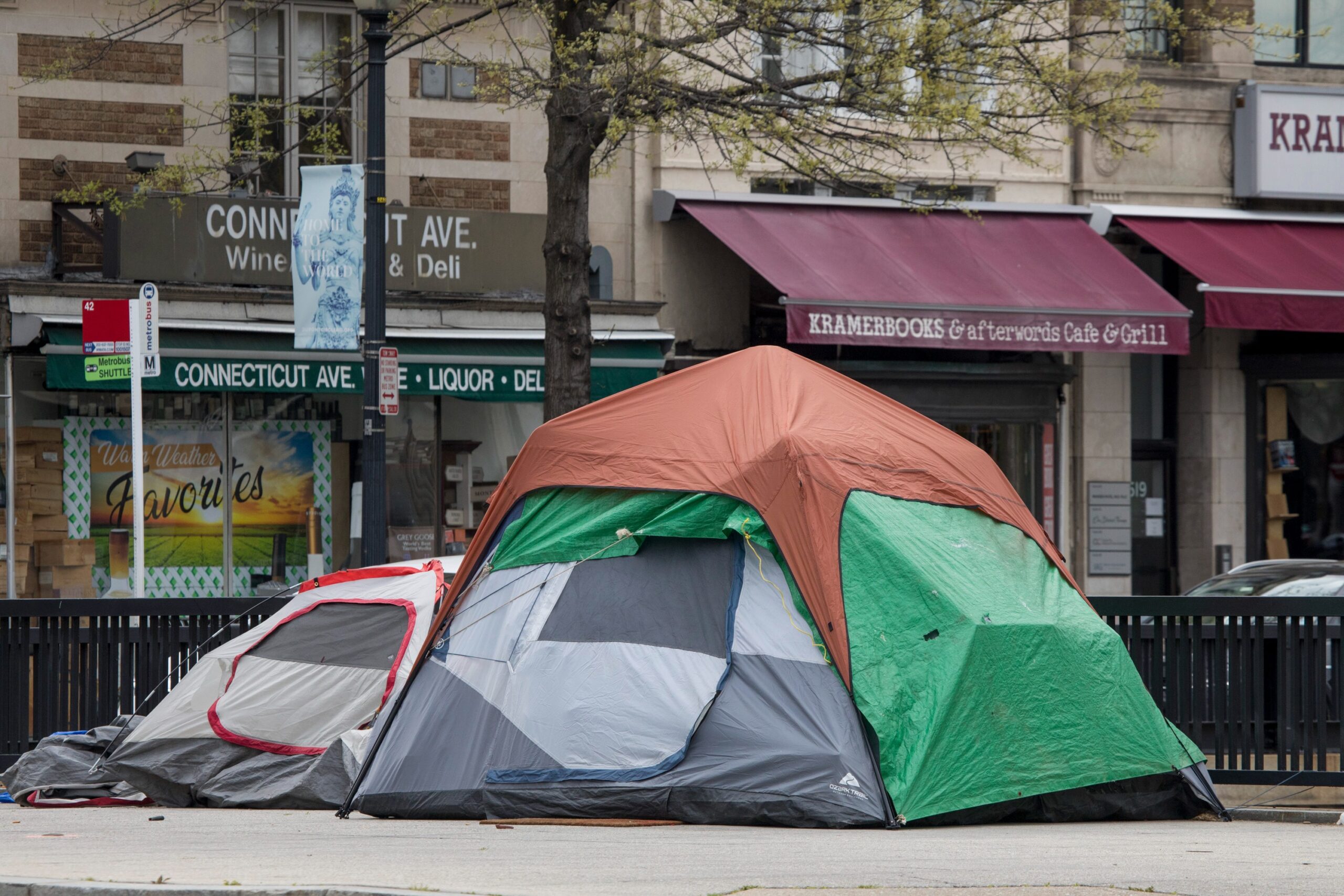
Emails Indicate Homeless Encampment Cleared Ahead Of Mayor Bowser’s Housing Presser
“D.C. Mayor Muriel Bowser stood before a crowd outside the Chevy Chase Community Center last Thursday to present her new plan to build more affordable housing west of Rock Creek Park. Just a day before, an official from the Department of General Services apparently ordered the site cleared of a homeless encampment.”
In this December scoop from reporter Amanda Michelle Gomez, internal emails show that the city planned an “urgent” clearing of a homeless encampment just before the mayor was scheduled to give a speech on housing in the same area.
The person experiencing homelessness had “a large amount of belongings and property that is very visible and obstructing to the facility,” one person wrote in an internal email.

“Aaliyah Jones’ high school graduation from National Collegiate Prep was a daylong celebration. She wore all white under a yellow graduation gown, her straight hair stopping neatly at her shoulders from under her cap. As she walked across the stage at the socially-distanced, outdoor ceremony last June, her mother, Jessica Jackson, beamed …
But last summer, as Jones was preparing for her first year at Virginia State University, she learned she did not actually graduate.”
This gripping story from education reporter Debbie Truong explores the far-reaching consequences of D.C. Public Schools’ recordkeeping practices. The District doesn’t have a centralized system to record grades and courses, which can make it hard to tell what classes and credits a student still needs to graduate.
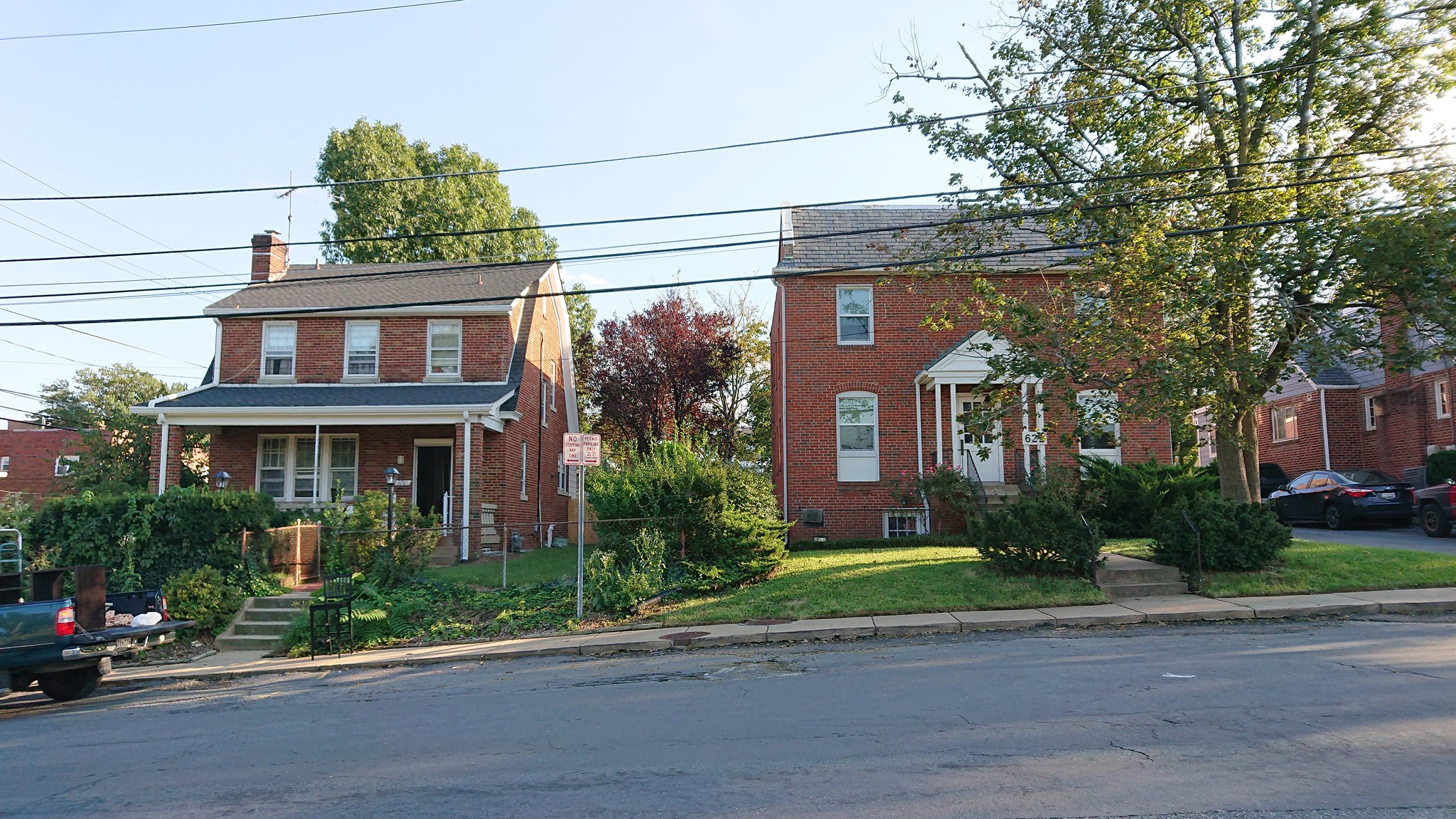
Montgomery County’s New General Plan Ignites Debate Over Race And Affordability
“The Montgomery County Council is preparing to vote on a final version of Thrive Montgomery 2050, an update to the jurisdiction’s 52-year-old general plan that has been in the works since 2018. Planners say the blueprint will guide the county’s future decision-making on housing development, transit, environmental resilience, and other key policy areas for the next three decades.
But a foundational policy outlined in the plan — a proposal to open up some single-family neighborhoods to a mix of housing types, such as duplexes and triplexes — has ignited furious opposition. Neighborhood associations and homeowners have published op-eds, approved resolutions, started petitions, waged comment wars on social media and online forums, and submitted public testimony raising alarm about what they believe “upzoning” could do to their neighborhoods.”
If ever you’re looking for a captivating explainer that dives deep on the issues of Thrive Montgomery 2050, look no further. This story by housing reporter Ally Schweitzer manages to break down the controversy around this plan while making the debate more human.
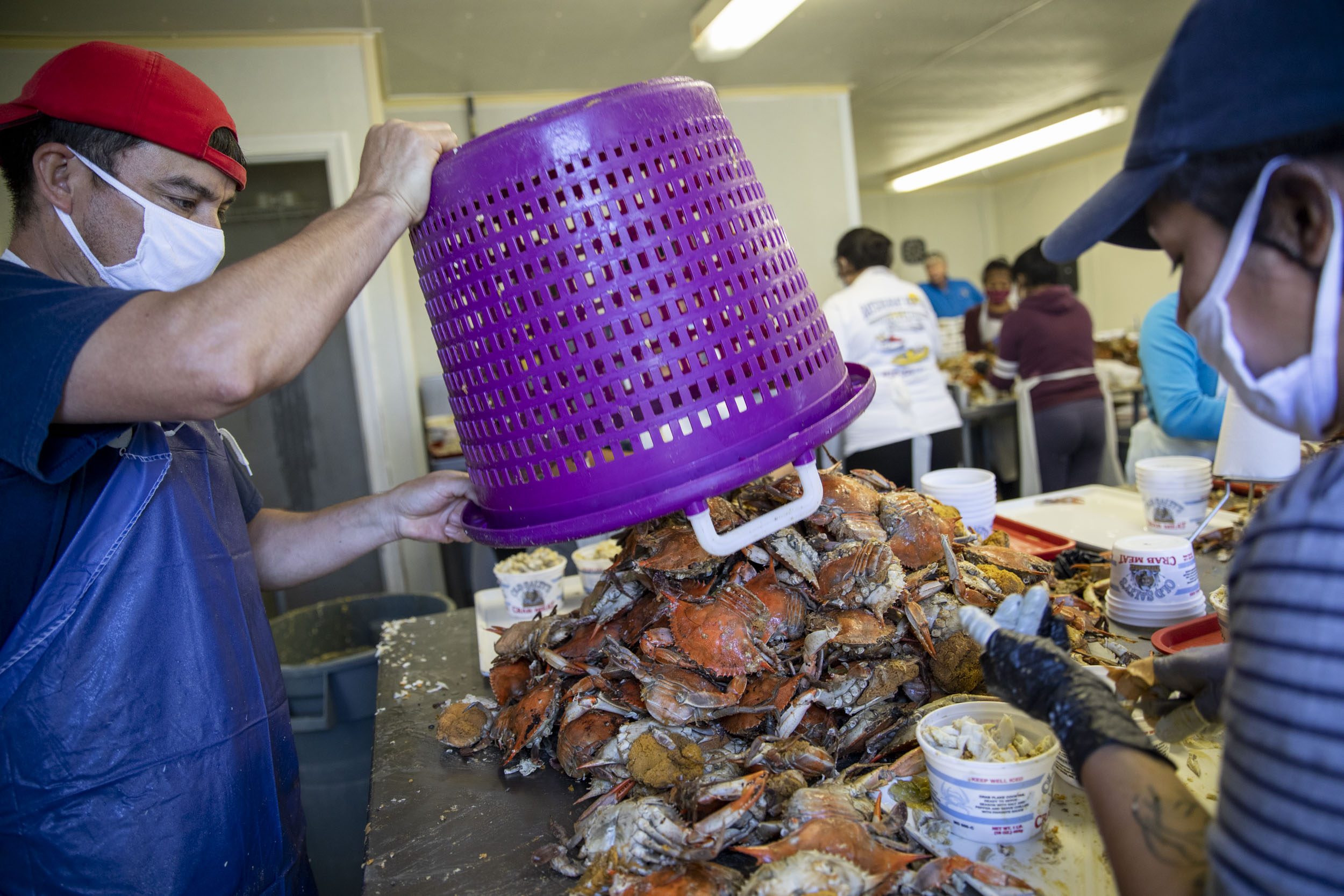
‘We’re Better Off This Year’: Maryland’s Crab Workers Are Bouncing Back From The Pandemic
“The four workers: Guadalupe Garcia, Engracia Galarza, Pola Tobar, and Norma Martinez live in a two-story remote farm house that’s owned by the operator of the processing plant they work at down the street. At 8 a.m., the four women have just come off of a three-hour shift. The smell of breakfast tortillas wafts through the home, and Spanish cable plays on TV. There’s a washer and dryer in the house to deal with the seafood smell in their clothes, and a car to take them into town for groceries. They each pay the owner $45 a month in rent.
They sit around the breakfast table talking about what it was like last year, when they came for only two months, because of COVID and visa restrictions.”
2020 was a rough year for crabbing in Maryland, with H-2B migrant worker visas in shorter supply thanks to the raging pandemic. But the workers were largely back this year, and Maryland reporter Dominique Maria Bonnessi talked with some of them for this intimate look at the challenges and benefits of being back on the job.
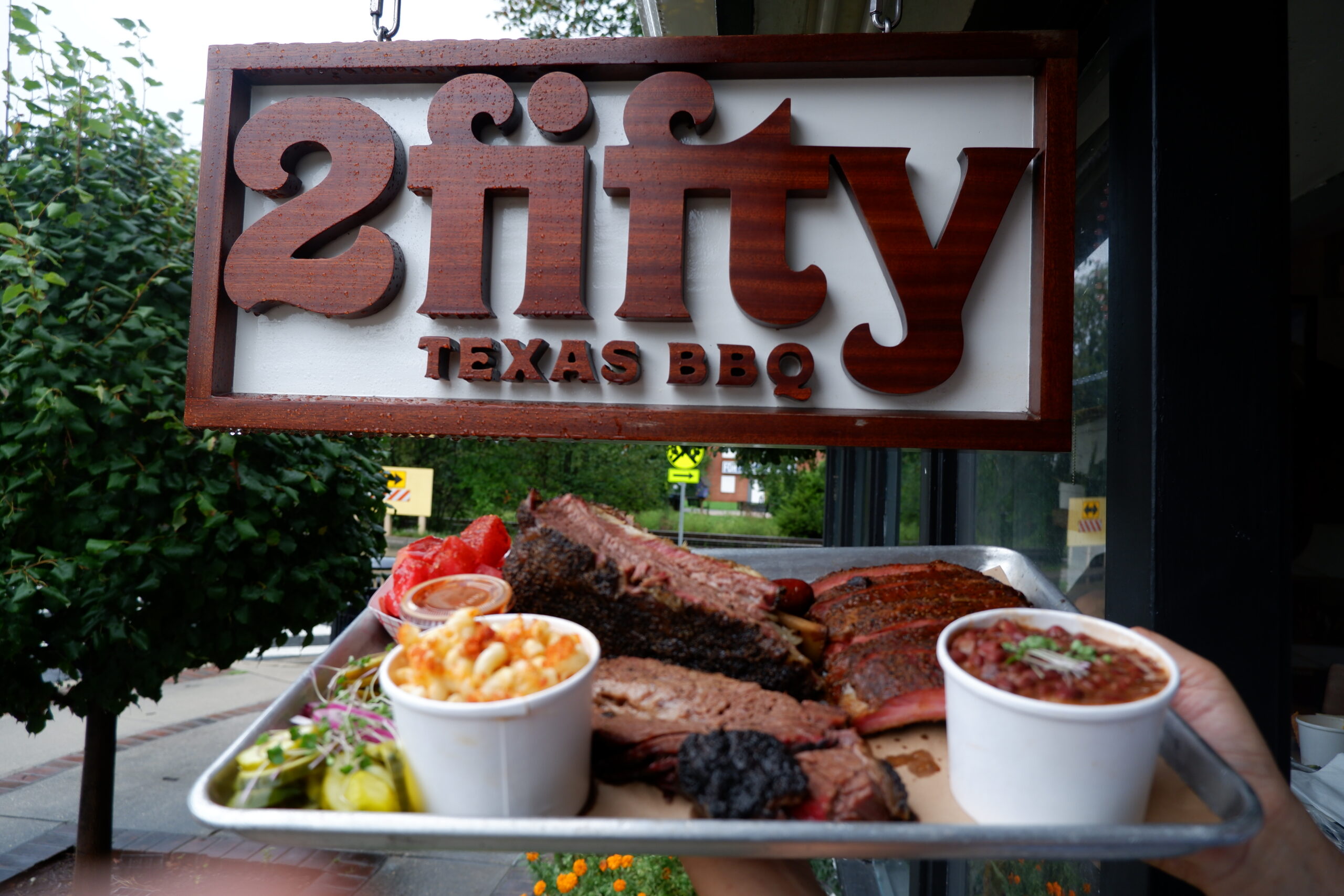
Meet The Salvadoran Couple Behind The D.C. Area’s ‘Best Barbecue’
“It was the first time that a BBQ-style restaurant like 2Fifty — new, small, and Hispanic-owned — was named in the Washington Post’s list of top BBQ restaurants. Portillo told El Tiempo Latino that many non-Hispanics are still surprised that a Salvadoran couple knows how to prepare BBQ this way.
‘Buttery wagyu brisket. Smoky St. Louis-style ribs with just the right tug. Turkey so moist it almost melts on the tongue. Pulled pork with the lightest, sweetest smoke profile,’ [Tim] Carman wrote in his review. ‘2Fifty is American. It’s Latin American. It is, hands-down, the best smokehouse in the area.’”
This story about delectable barbecue was the debut for our partnership with El Tiempo Latino, a D.C.-based Spanish language newspaper. Keep your eyes peeled for more in the coming year!

There’s A Petition To Rename National Airport After JoJo Siwa
“The year is 2023. You just received your second COVID-19 booster vaccine, and you’re waiting, maskless, to board your flight at JoJo Siwa Washington National Airport.
While that scene might feel like it’s from an alternate reality, a petition floating around the Twittersphere is actually trying to make that vision come true (at least the airport part).”
In a year full of difficult headlines, this story by reporter Colleen Grablick about the tantalizing possibility of a new airport name in the nation’s capital was a breath of fresh air. She even managed to get in contact with Dylan Long, the creator of the petition in question, to ask him about his love for pop star JoJo Siwa.
One signer put her support succinctly: “Because Jojo Siwa is an icon to young kids everywhere, and Ronald Reagan was a racist poop head. Thank you for your time,” wrote Hattie Weinroth.

The Other Elliots: What I Learned From My Name Doppelgängers In D.C.
“Soon, after a few of these encounters, my quest for other Elliots, and other Elliots Williams (the plural form, per CNN Elliot), became a quest for meaning. I was told in grad school to focus on ‘my brand,’ to make a website that was unique to me where all my work could be found. When I moved to D.C. in December 2017, I thought this would be the perfect place to carve out my own space in the massive media industry. I mean, how many young, Black magazine interns named Elliot could there be? I even penned an essay about how much of a unicorn I thought I was. But what happens when you look up your name and get all these other options?”
This remarkable, original essay from arts and culture reporter Elliot Williams explores the questions that arose for him after he discovered person after person in the D.C. area who shared his name. It’s funny, moving, and thought-provoking all at once.
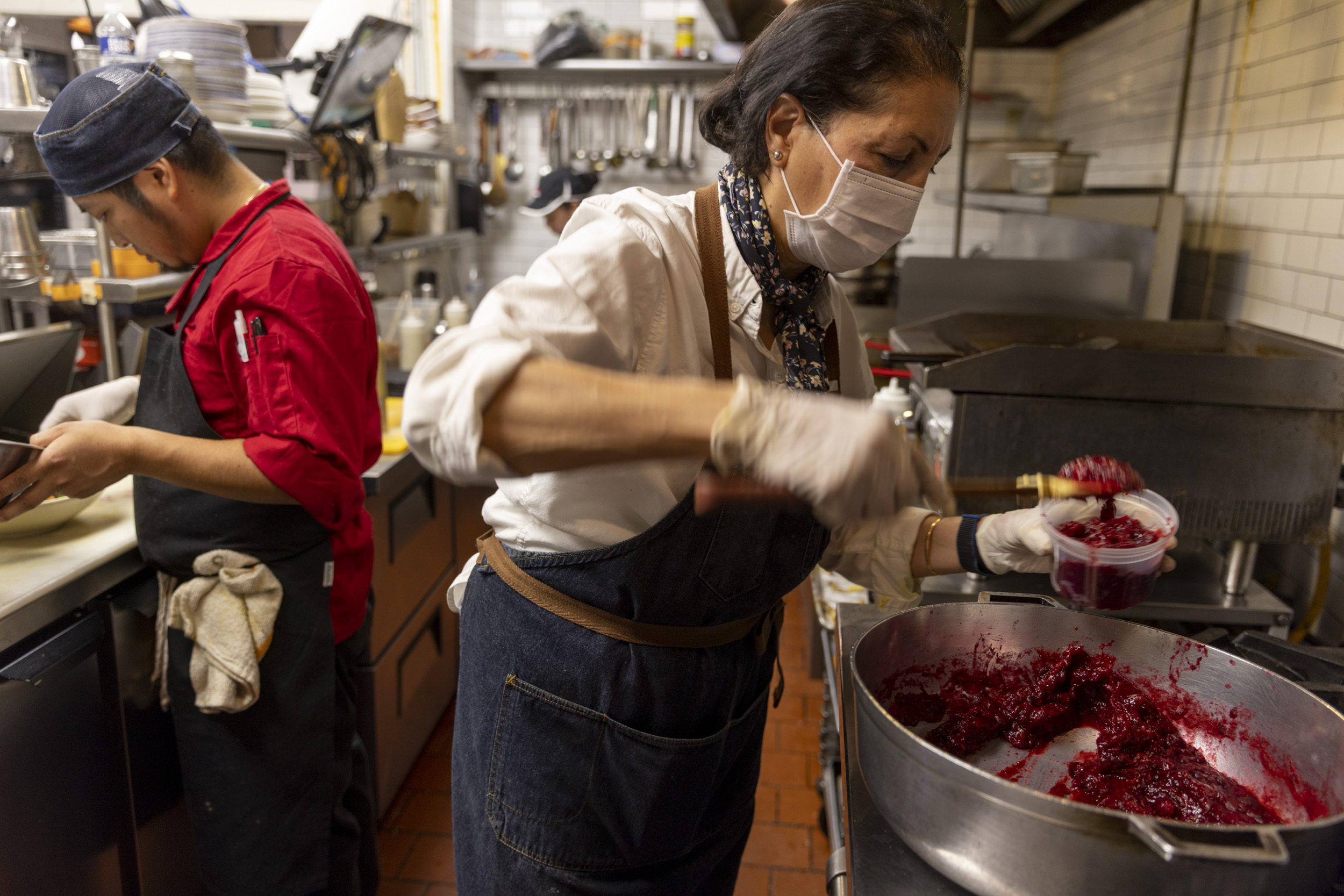
New Traditions And A Helping Hand For Immigrants In The Metro Area This Thanksgiving
“Being able to help Afghan families in need is what motivates Shamim on a particularly symbolic holiday for immigrants.
‘It’s my pleasure to do this and to see how happy they will be,’ says Shamim Popal. ‘It doesn’t matter if it’s Afghan, American, African, or from any other country. We love to help them here.’”
Immigrant communities reporter Héctor Arzate visited Lapis on the week of Thanksgiving to talk to the owners about the meal giveaways they’d planned for families in Woodbridge and Alexandria. Lapis has been instrumental in providing help to the flood of Afghan immigrants arriving to the area after the country fell to the Taliban this year following the withdrawal of U.S. troops.

Anti-Asian Violence Fuels Worry And Reflection Among Asian American Students In Montgomery County
“After the coronavirus reached the country with full force last March, Amy Zhai worried about leaving her house for daily walks. The high school student feared not only the deadly virus but also her physical safety as a young Chinese American woman.”
This deeply reported and deftly told story by education reporter Debbie Truong examines the fears of Montgomery County teenagers who faced the prospect of racist, hate-fueled violence amid a spike in violent attacks against Asian Americans locally and nationally.
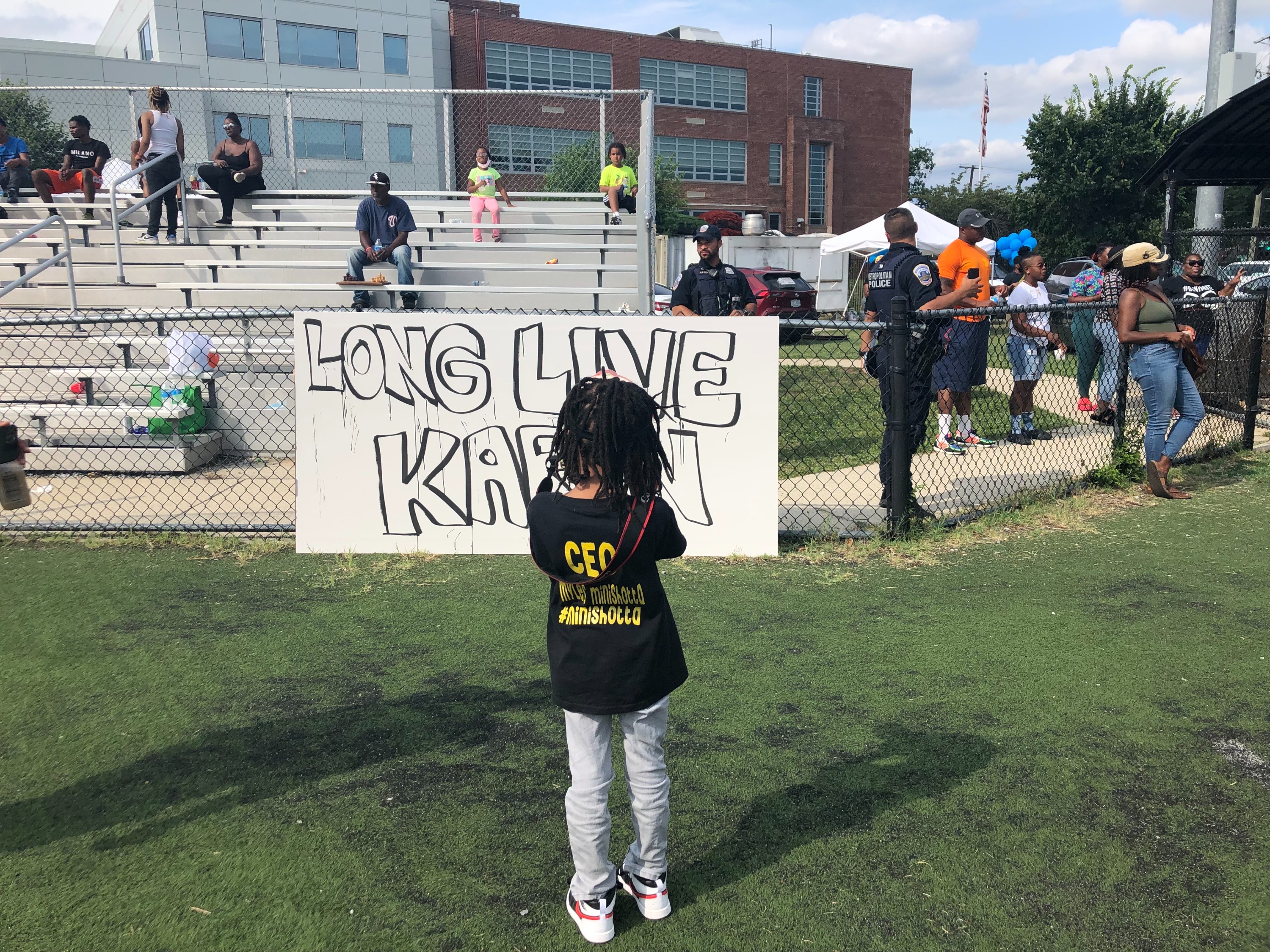
D.C. Keeps Losing Children To Gun Violence. Their Friends Are Still Healing
“Each child lost leaves behind a mourning family and community, but also friends and classmates — other children who have to try to make sense of their loss and fear. Residents and community organizations in the Black neighborhoods most affected are helping families and children process their grief, validating their pain and supporting them through difficult feelings.
‘We will stare at it right with you,’ said Marshall Pollard, the Executive Director of the youth-focused nonprofit The Creative School. ‘We are trying to heal with you, because that’s what communities do when faced with the incomprehensible.’”
In 2019, 11-year-old Karon Brown was shot and killed as he tried to escape an altercation with an adult man. Two years later, Karon’s friends gathered to celebrate his life, to process their loss, and to remember the boy they loved. Criminal justice reporter Jenny Gathright painted a vivid portrait of what it looks like for a community to help children heal from the unthinkable.
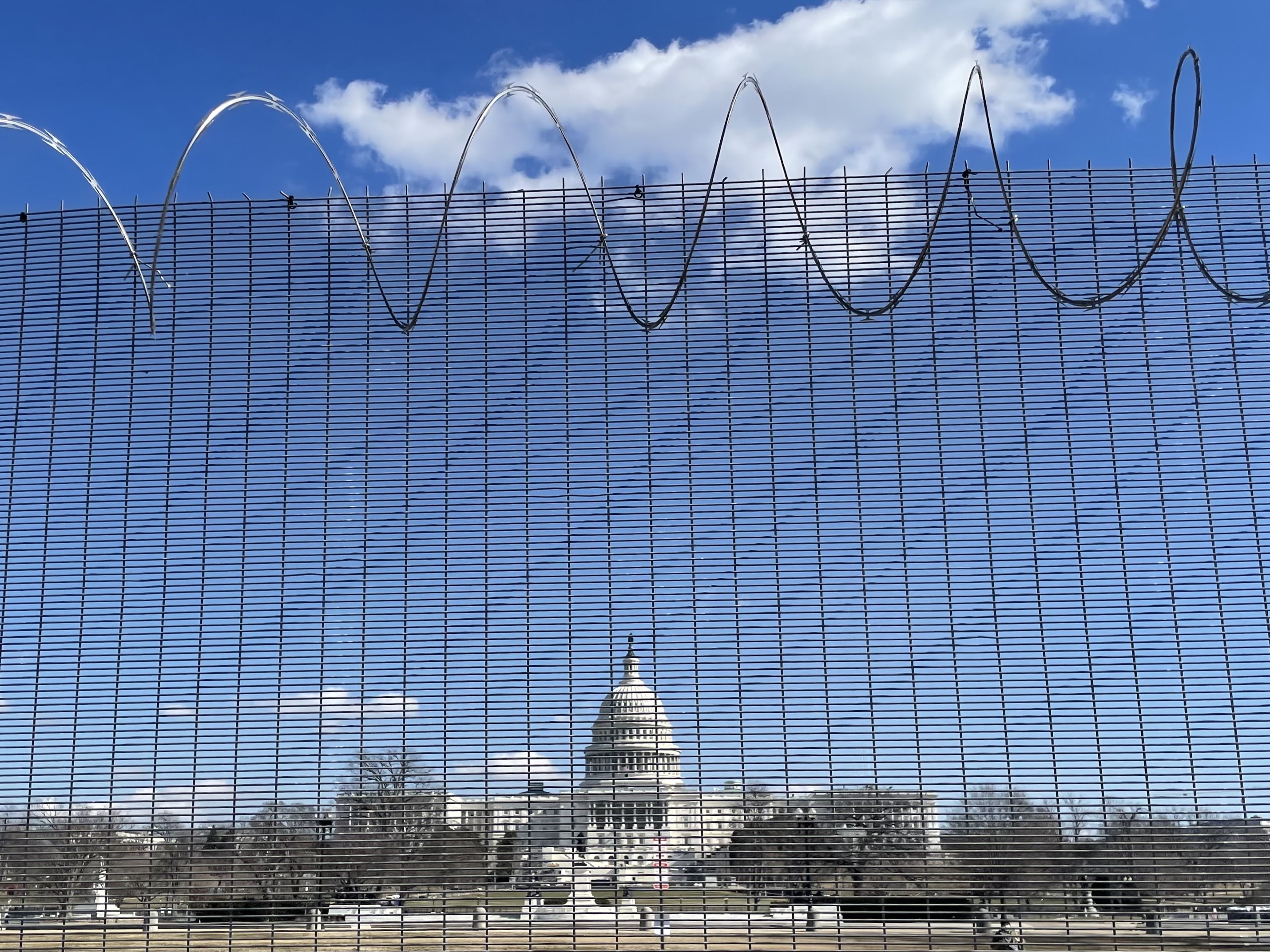
A Fence Now Surrounds Congress. But Capitol Hill Residents Are Leading The Push To Bring It Down
“Joella Jacobs, a Hill resident, says she would take her four-year-old daughter to play on the Capitol grounds at least once or twice a week. ‘It was our main open space,’ she said. ‘We’ve lost our green spaces, we’ve lost some major important thoroughfare roads that we use daily and we feel really cut off from other parts of the city. And we just feel like people don’t understand or care.’
Michael Bekesha, another Hill resident and former Republican candidate for the D.C. Council, said he misses walking his dog near the Capitol. ‘There’s always a friendly Capitol Police officer that is out with dog treats, welcoming not only our dog but many other neighbors’ dogs that are out for a stroll, enjoying all the green space,’ he said.”
The Jan. 6 siege of the Capitol had consequences that reverberated across the country, but this fascinating story zeroes in on one extremely local effect: the fence that, for months, surrounded the Capitol complex, fundamentally changing the lives of residents who live in the area. Transportation reporter Jordan Pascale spoke with neighbors who vehemently opposed a permanent fence, arguing that the Capitol complex had long functioned as communal green space that made up part of the fabric of the neighborhood.
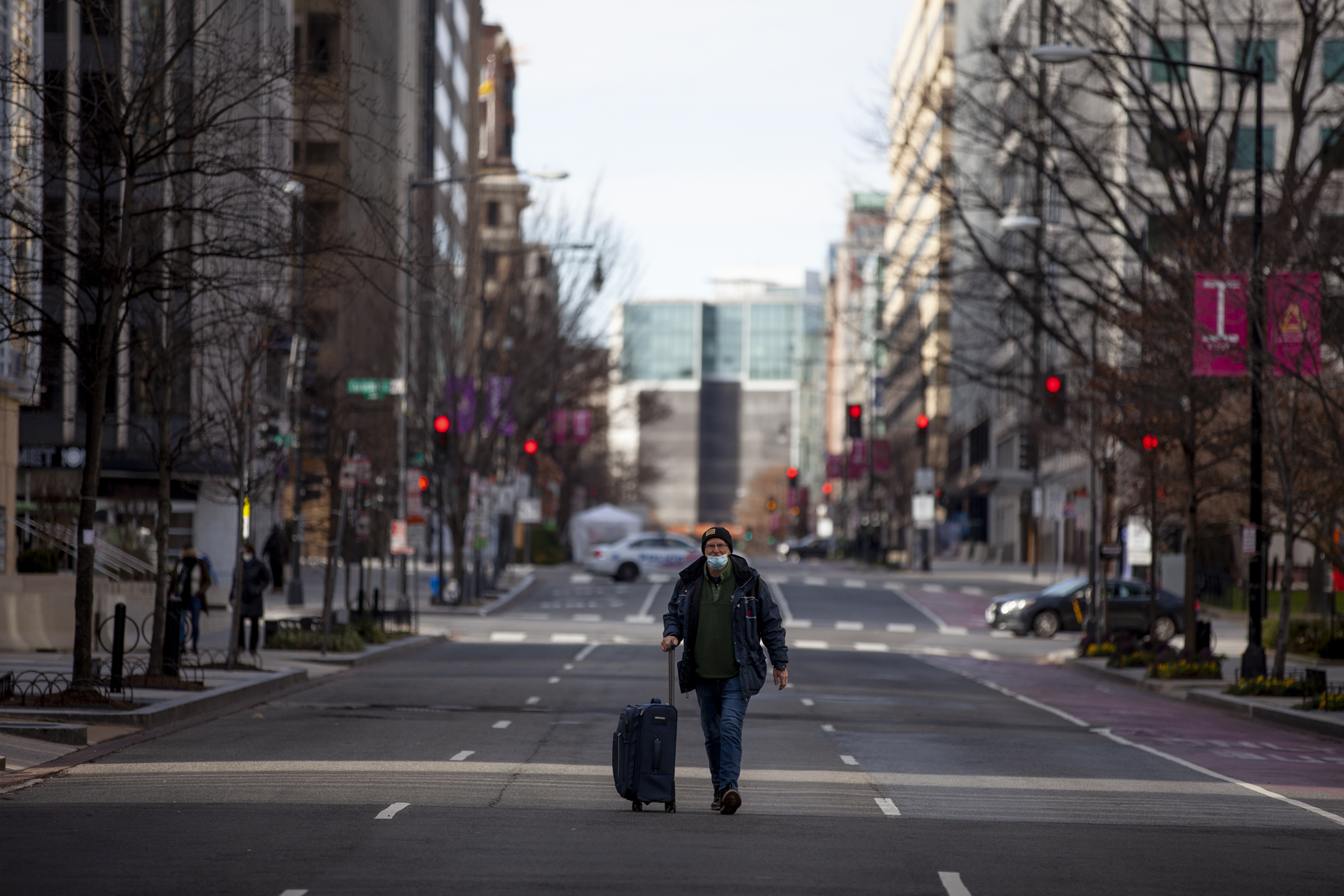
What It’s Like To Live Inside D.C.’s Militarized Security Zone
“The supposed ‘Million Militia March’ did not materialize in D.C. on Sunday, as the far-right movement that spawned the Capitol siege earlier this month recedes to ever-darker corners of the internet to plot scattershot attacks.
But even absent crowds of Trump supporters, law enforcement agencies pulled the security drawstring tighter Sunday, dramatically expanding road closures and vehicle restrictions to areas of the city normally unaffected by security concerns in federal Washington.”
In some ways, the days of a militarized D.C. following the Capitol insurrection — and the threats of violence in the weeks and months that followed — feel like they happened a lifetime ago. Alas, they did not, and this look at a day the city was braced for violence will take you back to that time. It was written and reported by Jenny Gathright, Carmel Delshad, Jacob Fenston, Natalie Delgadillo, and Tyrone Turner.
For more on this subject, see this story about residents living under the state of emergency by Jenny Gathright and Rachel Kurzius.

“She remembers few details from the moment: the lab tech struggling to find the baby’s heartbeat on a sonogram machine. The numbness that settled over her as clinical staff told her that Miamor was gone. Her own desperate, unspoken prayers.
‘In my mind, [I’m] like ‘Lord, please don’t let this happen. Just let my baby wake up,’ Lowe recalls.”
The District of Columbia is one of the most dangerous places in the country for a Black woman to give birth. The rate of infant mortality in the first year of life is higher here, too, than the national average.
This honest, heartrending story by Virginia reporter Margaret Barthel and photojournalist Dee Dwyer gives voice to the fears and experiences of Black women in the area who have had traumatic birth experiences or fear giving birth. The colorful portraits by Dee showcase the women’s strength even — especially — in moments of great vulnerability.

‘It Seemed Forever’: How One D.C. Retirement Community Is Bouncing Back From The Pandemic
“‘I’m matriarch in my family, and I have missed being able to give the support in the close way,’ says Dianne Reason, 78, who lost a brother and a close cousin during the pandemic.
‘Hopefully we’ll have some time where we can start to close that gap again,’ says her husband Paul, 80, a retired four-star admiral. ‘That’s what we’re counting on.’”
In May, as more people were vaccinated and coronavirus infections slumped to a lull, the retirement community at Knollwood in D.C. began trying to navigate a reemergence from constant quarantines and isolation. Virginia reporter Margaret Barthel provides a beautifully detailed look at the experience for staff and residents.

With An Instagram Account, KillMoeNews Becomes Go-To Source For D.C.’s Deadliest News
“Part citizen journalism and part community forum, killmoenews is Derrick, a 30-year-old resident of Ward 8. (He asked that we only identify him by his first name for safety reasons.) What started last year as a hobby to occupy his time during slow moments as a dump truck driver has now become a full-time and largely self-sustaining job documenting violent crime in and around D.C.
And with the rise in homicides in recent years — killings are 10% higher than the same time last year, when the city hit a 15-year high — Derrick rarely lacks for content. The steady barrage of deadly incidents he reports weigh on him, but he says he feels a commitment to a community that can often go under-covered by a shrinking pool of traditional media outlets.
‘Do I get tired of posting homicides and stuff like that? Yes, I honestly do,’ he says. ‘But it’s like, you know, I can’t stop doing it,’ he says.”
Ask anybody who lives in the city about killmoenews and chances are they know who he is. Or, rather, they know his Instagram account.
In this well-reported story, reporter/editor Martin Austermuhle pulls back the curtain on killmoenews, whom we identify by his first name, Derrick. The story explores Derrick’s interest in crime news, his methods, and his commitment to his community.
When National Outlets Write About Violence In D.C., Whose Stories Do They Tell?
“It was the second local shooting in as many weeks that drew coverage from pockets of journalists who don’t typically cast their eye to local D.C. stories. A drive-by shooting outside of Nationals Park that suspended an ongoing game on July 17 similarly prompted widespread coverage. As the Associated Press noted at the time, the District is facing a rising number of violent crimes and homicides.
But in a city where 40% of bullets are fired in 2% of city blocks, Black public safety and gun violence prevention activists say they are dismayed to watch as affluent, mostly white residents see their fear and pain validated on national television — while they are left to quietly grieve the deaths of family and neighbors with little notice from prominent media.”
One summer evening in late July, a gunman fired dozens of rounds onto a bustling street in Logan Circle, and the Washington press corps lost its mind. The incident drew national coverage, including from CNN’s Jim Acosta, who happened to be dining at a restaurant nearby. DCist editor Morgan Baskin explored why this incident got so much attention, and how other parts of the city grapple with violence in the face of far less coverage from prominent media outlets.

“An examination of public records, licenses, and reports shows an exotic animal breeding business in two states that spans far more than zebras: Holly has owned large cats, primates, giraffes, and bears, among other animals. Florida’s wildlife agency sought to revoke his state-issued license over violations of rules regarding animals, and Holly has been cited by the U.S. Department of Agriculture for more than 100 violations of the Animal Welfare Act, including failure to maintain fencing around the pastures that contained zebras, as well as unclean housing and water for animals, lack of proper record keeping, and animals with open wounds.”
If you were anywhere in or around D.C. this year, you probably heard about the escaped zebras — they were widely beloved symbols of freedom that captured the local public imagination as they roamed in greener Maryland pastures.
But Jerry Holly, the man who owned them, was more mysterious. In this jaw-dropping investigation, WAMU host/reporter Rachel Kurzius exposes a bevy of animal welfare violation allegations against Holly, revealing that the Florida wildlife agency has sought to revoke his license. Further charges of animal abuse have since been brought against Holly, and the escaped zebras are back in his care.

The Curious Case Of The Craigslist Camel
“‘We have to sadly sell our beloved camel due to moving into an uncamel friendly neighborhood,’ the post read. ‘Our sweet boy is in need of a new home preferably with his own pasture or paddock.’ The ad listed the five-year-old camel’s condition as ‘excellent,’ and included two photos. The post eventually made it to Craigslist’s ‘best of’ page, where users nominate their favorite posts.
It’s hard to overstate the delightfulness of the mystery at the heart of this story, which I can’t say too much about for fear of giving it away. WAMU host/reporter Rachel Kurzius stumbled upon a strange post about a local camel for sale, and she simply had to know more. It was worth the investigation!

The Story Behind Those Expensive Exxon Gas Stations Wolf Blitzer Loves To Tweet About
“But what if the explanation for that $4.29 gallon of gas in D.C. has little to do with national policies, and much more to do with local quirks in how gas stations are owned and operated? And what if those gas stations that Blitzer highlighted are little more than dramatic outliers, sometimes located literally across the street from stations that offer cheaper gas?
Both facts are true, and involve local personalities and policies that would take far more than 280 characters and an image to properly understand.”
It’s not always news when someone posts a misinformed (and misleading) tweet about local gas prices. But Wolf Blitzer’s bad gas station tweets hit upon a particularly fascinating piece of local history having to do with station ownership, not to mention accusations of price gouging and “mini-monopolies.” Editor/reporter Martin Austermuhle is an expert at finding these golden nuggets of local intrigue in what seems, at first blush, to be a national story.
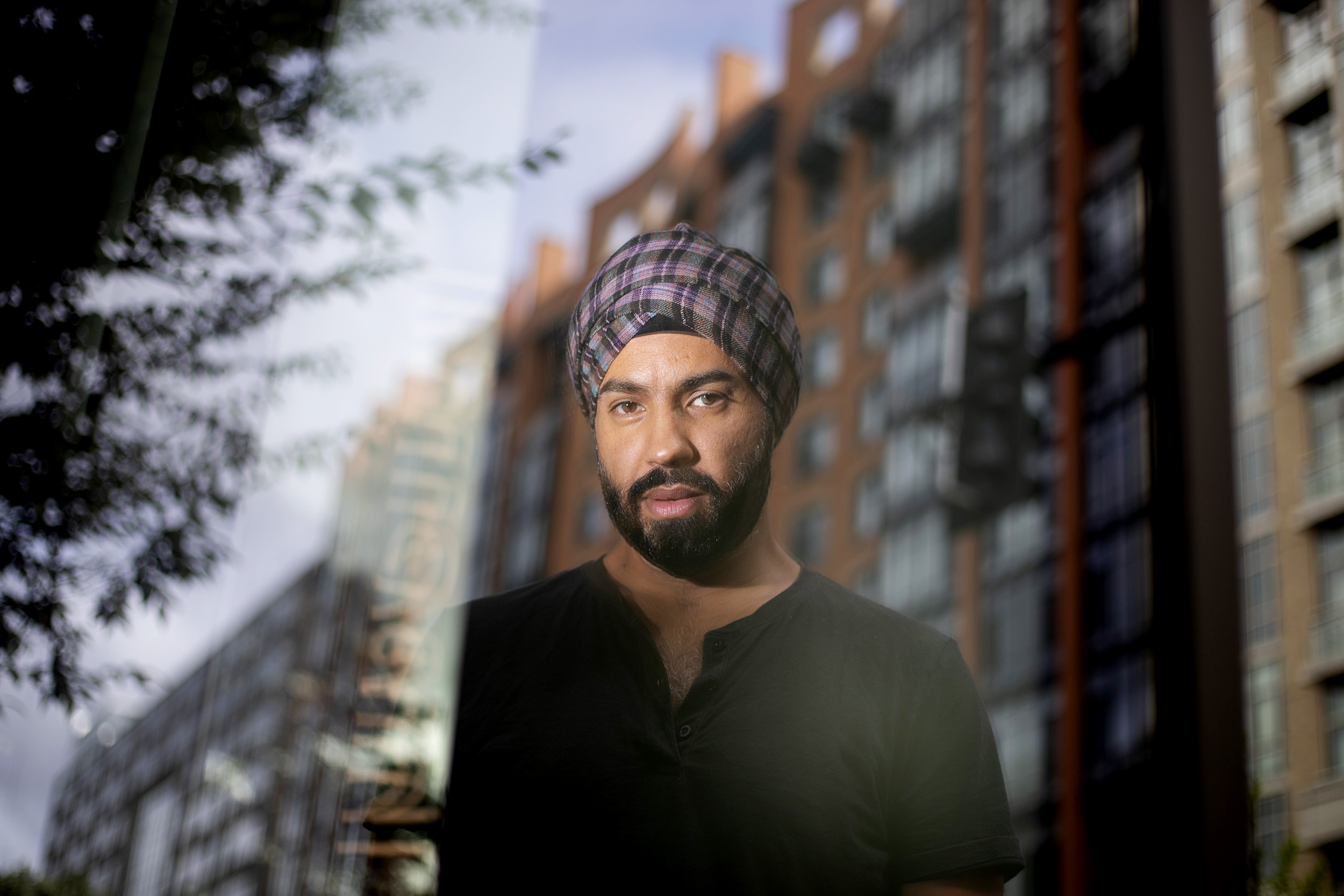
How Life Changed For Washington Muslims And Sikhs After 9/11, In Their Own Words
“The assumptions and accusations started almost immediately. After terrorists crashed two airliners into the Twin Towers and a third into the Pentagon on September 11, 2001, Muslim and Sikh Americans — and many others who happened to be Arab or Middle Eastern — had to grapple with heightened hostility from Americans who wrongly associated them with the attack.”
On the 20th anniversary of the 9/11 terrorist attacks, reporters and producers Ruth Tam, Ayan Sheikh, and Dominique Maria Bonnessi interviewed four area residents who spoke candidly and poignantly about their lives in the aftermath of the tragedy. For all of them, besides grappling with the same fear and grief as the rest of the country, there was an added burden of fear that they would be associated with violence they hadn’t committed.
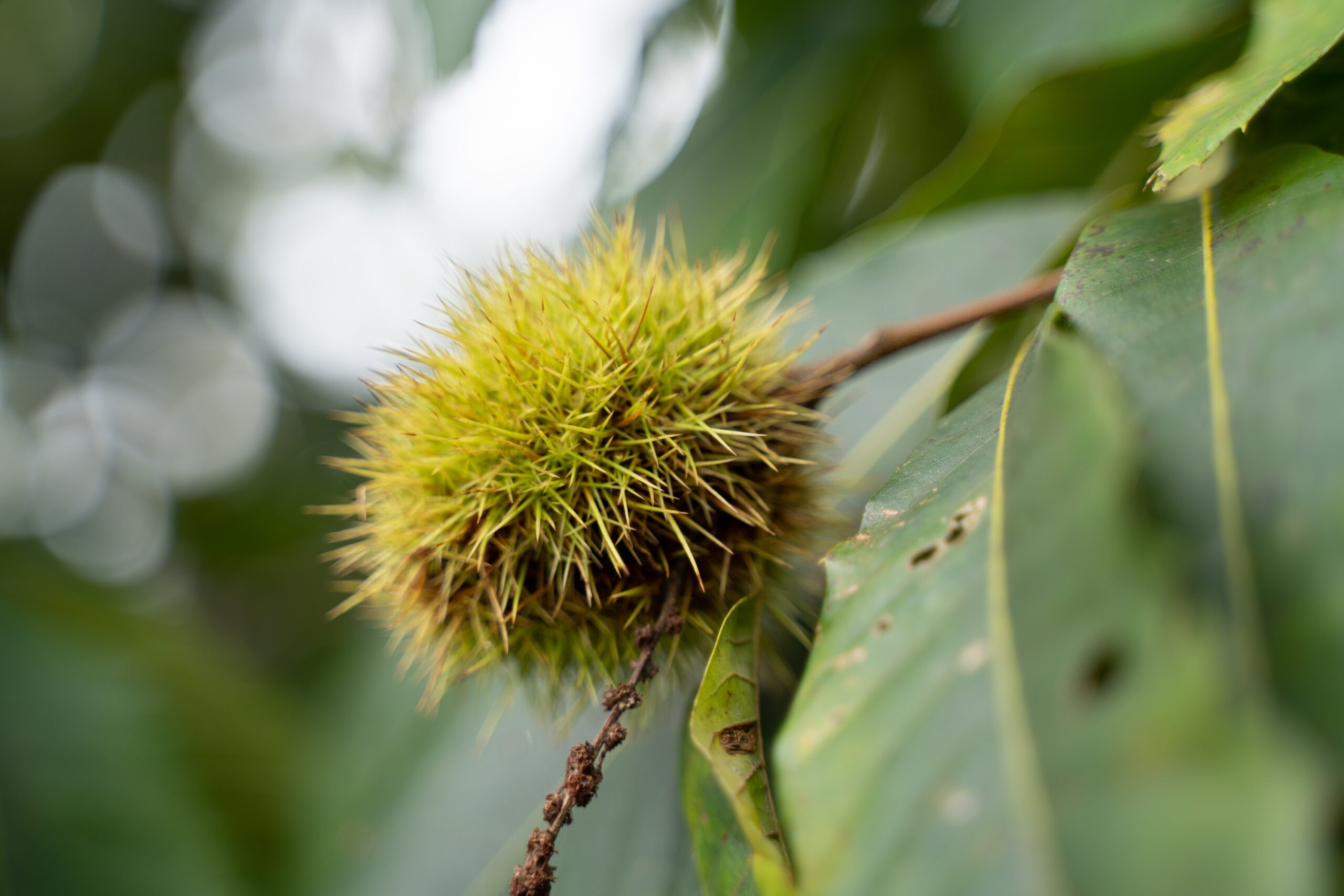
The American Chestnut Was Wiped Out A Century Ago. Could It Make A Comeback?
“The American chestnut tree was once called “the redwood of the East” because of how huge it could grow. It was an amazing food source: each fall, the tree would drop an unbelievable bounty of tasty and nutritious nuts — feeding wildlife, livestock and people. The tree was wiped out a century ago by blight, but the American chestnut can still be found clinging to life in forests around D.C. and across the eastern U.S. It could make a comeback, thanks to modern science and a highly committed cadre of chestnut aficionados, including dozens of locals who volunteer their time and land in an attempt to bring the tree back from the brink of extinction.”
Who knew there was such a bounty of fascinating local history about chestnuts? Environment reporter Jacob Fenston’s story on the near-extinction and current resurgence of the American chestnut manages to be informative, but also touching. Read more from him on chestnuts here.
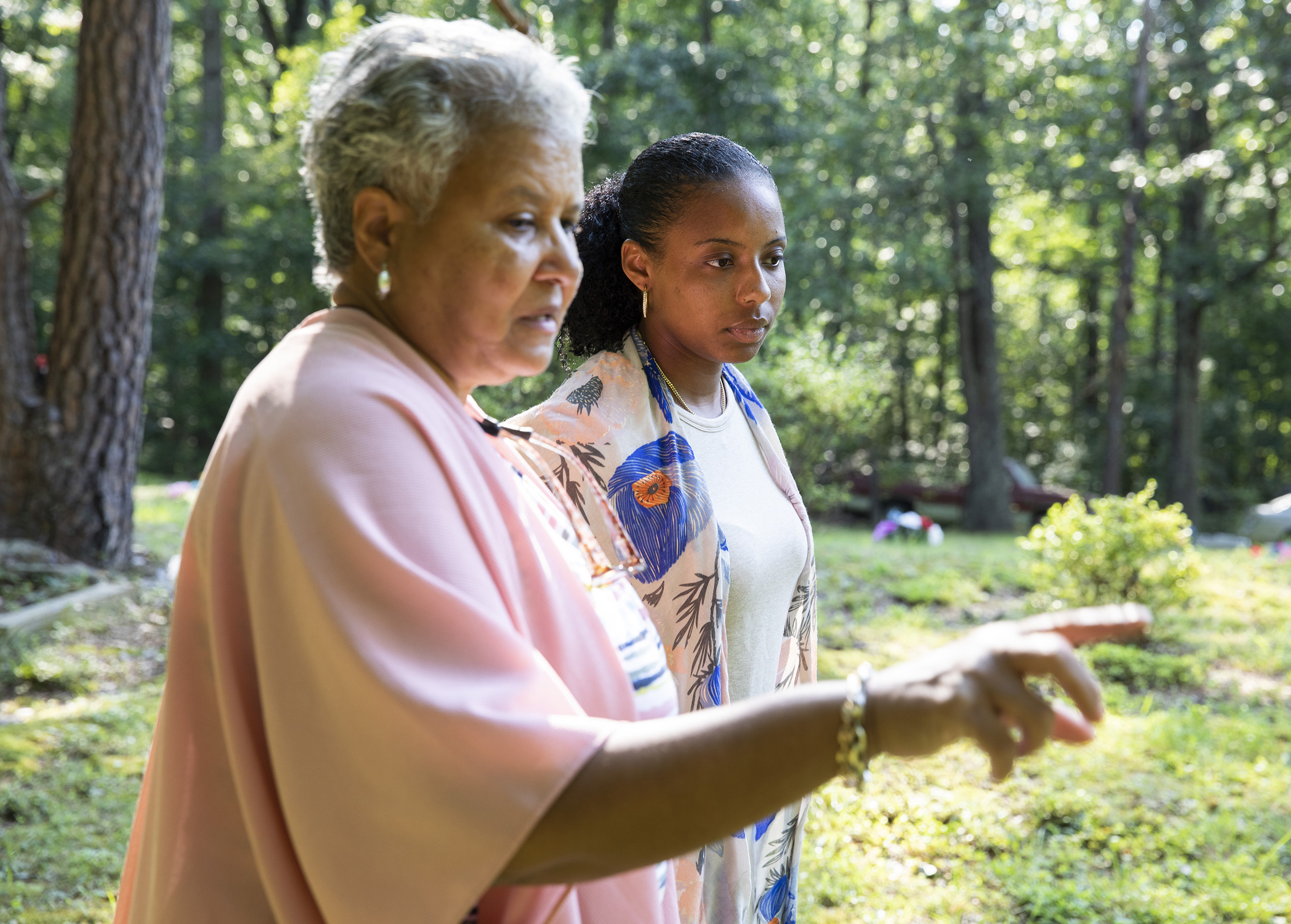
Inside The Effort To Preserve And Map Black History In Fauquier County, Virginia
“Karen Hughes has a map of Fauquier County’s Black history in her head.
As she drives around the mostly rural Virginia county where she grew up, she offers a tour of that history, the result of diligent research, lived experience, and curiosity. She points to the sites of one-room segregated schoolhouses, creeks where Black churchgoers were baptized, corner stores where she ate ice cream, roads where Black family homes clustered together, the plantations where white people kept Black people in human bondage, and the places she avoided when driving home from work out of fear of the Ku Klux Klan. She’s captivated by the stories of the landscape where her family has lived for at least eight generations.”
This detailed story by Virginia reporter Margaret Barthel explores the importance of remembering — and recording — the past. The residents she spoke with also talked to her about how profoundly the past affects the present, and how mapping Fauquier County’s Black history can help us understand more about systemic inequities residents live with today.

D.C. Wasted Hundreds Of Permanent Housing Voucher Subsidies Last Year
“In a subsidized Marshall Heights apartment that is crawling with pests, a mother of two is always cleaning. But despite her best efforts, there are always cockroaches in the shower, she says, and mice inside the walls. Outside her front door, she routinely hears gunfire. It’s been that way since she moved into the building three years ago from a homeless shelter …
Even as housing needs spiked across the city while the pandemic broke out, the D.C. government didn’t come close to distributing all the permanent housing vouchers it had the funding to use over the last fiscal year, according to data DHS submitted to the D.C. Council this spring.
Between October 2019 and February 2021, D.C. used only 56% of its permanent supportive housing vouchers reserved for individuals, the data show. The agencies did even worse on such vouchers reserved for families, allocating just 37% of them.”
In this story, editor Morgan Baskin lays out just how much housing services money the city left unused, even as families all over the District languished in appalling housing conditions.

“Flowers was born on September 1, 1980, into a two-parent household in Northeast D.C. His family lived in a row home his grandparents owned in the Kingman Park neighborhood. The influx of crack cocaine brought chaos to the city, and by Flowers’ telling, his youth was surrounded by violence and fear. During his childhood and adolescence, the District became known as the ‘murder capital’ of the United States, recording the highest homicide rate in the country. In 1991, the number of homicides per year in D.C. peaked at 482.
‘Growing up in D.C. in the 80s and 90s was very fatal,’ Flower says. ‘It made me afraid. I didn’t feel safe. I started selling drugs because I wanted to move to where I live at now.’”
This look at Halim Flowers’ life — his childhood, his incarceration, and his triumph and incredible success as an artist — is beautifully told by arts and culture reporter Elliot Williams.

After Fleeing Afghanistan, These Women Are Building A Life Together In Northern Virginia
“Since their arrival in the United States, the group has stayed together – from sharing an Airbnb rental home in Arlington for the first month (which they now refer to affectionately as ‘506 Arlington,’ also the name of the WhatsApp group they use to communicate), to their current hotel in Fairfax. They cook meals together, play music, help each other with their asylum cases and humanitarian parole applications for their family members in Afghanistan, take walks together around the hotel and to nearby supermarkets, and help take care of N.K’s infant daughter. (‘She has five mothers, with [N.K,] six moms!,’ Ibraz joked about the baby girl.)”
When Kabul fell to the Taliban in late summer, a group of prominent Afghan women — professionals, artists, and activists alike — happened to get onto the same flight out of the country. It landed at Dulles International Airport.
Since then, many of the women have lived near one another in Northern Virginia, building community even as they grieve for the homes and the families they had to leave behind. This poignant story by contributor Valerie Plesch is made more complete by her vivid portraits of the women.